Dr Xiong launches her LGD brand ‘PureVivid’ at the National Wedding Show, London
April 16, 2025
The 97 Academy Awards 2025 saw natural diamonds light up the star-studded event
April 17, 2025Alarming mercury contamination in the Migori gold rush reported
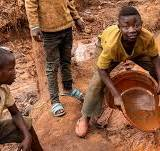
In the gold-rich fields of Kenya’s Migori County, where nearly 40% of the population depends on artisanal and small-scale gold mining, a silent crisis is unfolding. A new study by the Friedrich Naumann Foundation for Freedom – Kenya (FNF-Kenya) has revealed alarmingly high levels of mercury contamination, raising concerns about a growing public health and environmental crisis.
The recently published study, based on data collected during field visits in October 2024, mercury, the toxic metal used in gold processing is polluting water, soil, and surrounding ecosystems at alarming rates. Tests conducted on water, soil, fish, and mining tailings near active sites revealed mercury concentrations far above national and international safety thresholds. Water samples near mining hotspots showed mercury levels up to 100 times higher than the safe limit for drinking water, as set by the World Health Organization (WHO) and Kenya’s National Environment Management Authority (NEMA). Soil and tailings from the mining areas contained mercury concentrations two to three times above levels deemed safe for agriculture, raising fears that the toxic metal may be entering the local food chain.
At Nyangoto River–just six kilometres from a mining zone–water samples revealed mercury levels more than 30 times the recommended limit. Fortunately, fish samples from the same areas showed no detectable mercury traces, for now.
The study also highlights the wider socio-economic toll of gold mining in the region. School dropout rates are rising as children abandon classrooms to join the mining industry. Meanwhile, entrenched gender inequality persists: men mine underground while women process the ore–breaking stones, washing, and extracting gold–but women are paid less, face sexual harassment, and lack representation in decision-making. The study urges immediate regulatory intervention to address the health and environmental threats posed by mercury exposure in Migori County. It also advises communities to avoid water sources near mining sites to reduce the risk of contamination.
The report recommends stronger regulatory enforcement, equitable wage structures, and targeted community education on safer mining practices. It also calls for gender-responsive policies that empower women economically and protect their rights in the mining sector.