Dubai shoppers continue buying and selling unused jewellery as gold prices hit Dh600
January 27, 2026
Fancy Colour Diamond Market sees minimal change in Q4 2025
January 28, 2026India–EU trade predicts a green signal for manufacturing and exports
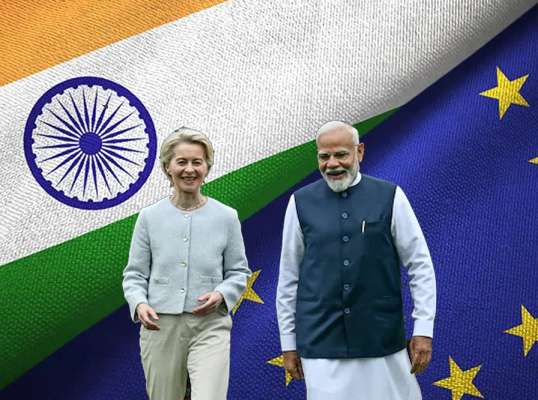
India and the EU have engaged in protracted negotiations since the early 2000s, and after a lengthy hiatus, the upcoming pact is anticipated to reduce tariff and non-tariff barriers on a wide range of goods and services. It is indicated that the FTA will reduce tariffs on key European exports, including automobiles and wine, while expanding market access for Indian products such as textiles, electronics, chemicals and jewellery.
The pact is expected to unlock opportunities for India’s labour-intensive industries. Leaders in the sector have emphasised the value of zero-duty access to Europe’s sizeable consumer market. Industry stakeholders and policy observers have noted that clarity around implementation timelines and transitional provisions will be critical to realising anticipated gains. Indian exporters and manufacturers will be watching closely for details on safeguard measures, adjustment assistance and sector-specific guidelines as the pact moves towards legal adoption.
Meanwhile, the conclusion of the India-EU free trade agreement represents a major strategic milestone for both partners, with significant implications for trade, manufacturing competitiveness and long-term economic integration