Coloured gemstones to lead Bonhams Hong Kong jewellery sale
May 1, 2026
Jewellery stocks like Titan, Kalyan & Senco fall as Indian Government hikes gold tariff
May 14, 2026India to double tariffs on gold and silver to boost the rupee
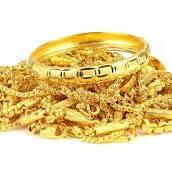
The Indian government has raised the tariff rate from 6% to 15%, comprising a 10% basic customs duty and a 5% tax on gold and silver imports. The move comes just days after Prime Minister Narendra Modi appealed to Indians to pause buying gold, avoid foreign travel and reduce fuel consumption. India, the world’s second-largest consumer of precious metals, meets almost all of its gold consumption through imports.
Gold and silver account for nearly 11% of the country’s total imports. The tariff hike could help ease India’s trade deficit and shield the rupee, which is among Asia’s worst-performing currencies. Foreign investors are also increasingly pulling out of India’s stock market, with the latest data showing that 2026 is set to be the worst year for outflows since 1993.
The rupee was trading at 95.58 to the U.S. dollar at the time of writing, recovering after notching a record low on Tuesday. The rupee has depreciated 6% against the greenback YTD. India’s stock market didn’t move much after the tariff news, as higher oil prices and continued foreign outflows offset broader gains. The benchmarkNIFTY and SENSEXindices ended 0.1% higher each on Wednesday after four sessions of losses. Gold and silver ETFs rallied as demand for these products could rise with physical imports getting costlier, while shares of Indian jewelers fell.