Detectorist unearths ‘once in a lifetime’ 16th-century diamond ring
June 10, 2026
Antofagasta to extend Zaldívar mine to 2051, plans to spend $900M
June 10, 2026Botswana’s diamond dilemma and the UAE’s vertical integration opportunity
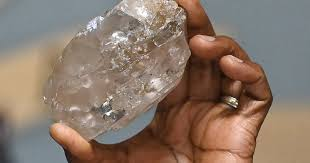
Botswana’s economy is dependent on a single commodity: diamonds! The mineral accounts for approximately 80% of total export earnings and contributes nearly 25% of gross domestic product. De Beers sources roughly 70% of its global diamond production from Botswana, making the country’s fiscal health and De Beers’ commercial performance functionally inseparable.
Botswana’s President Duma Boko has been explicit in his pursuit of strategic financing partners. Discussions extended to Oman, Angola, and Namibia before the UAE and Oman emerged as the most credible candidates. Botswana currently holds a 15% equity stake in De Beers, and Anglo American’s decision to divest its 85% holding creates a potentially generational window for the government to increase its ownership position, provided the financing architecture can be assembled.
This dependency between De Beers and Botswana has been exposed in recent years by three simultaneous pressures:
1) Falling rough diamond prices driven by oversupply and demand softness
2) Weakening consumer demand from Chinese buyers, historically a primary growth market for diamond jewellery
3) Accelerating competition from lab-grown synthetic diamonds, which have eroded the premium positioning of natural stones in mid-market segments
These combined forces contributed to a sovereign credit-rating downgrade by S&P Global in 2025, directly limiting Botswana’s capacity to finance an expanded ownership stake in De Beers through conventional debt markets.
This is why Botswana cannot afford to wait for the perfect partner.