The BIS introduces new Hallmarking measures
August 3, 2026
Golkunda Diamonds launches Mumbai manufacturing plant for the Indian market
August 4, 2026Vietnam’s KES 9.4 billion diamond smuggling scandal triggers jewelry market panic
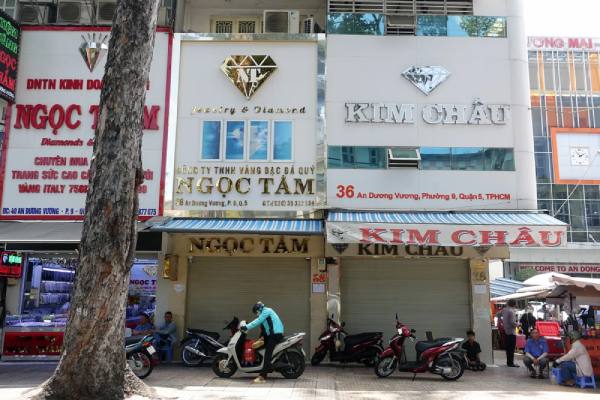
Vietnamese police have blown open an international smuggling operation that illicitly routed over 30,000 diamonds—valued at over 1.5 trillion dong (approximately KES 9.4 billion / $73 million)—into the country’s most trusted retail chains. The arrest of a former senior executive at the gem certification subsidiary of Phu Nhuan Jewelry (PNJ), Vietnam’s largest listed jeweler, has paralyzed the secondary market and triggered a wave of store closures.
The smuggling was only the first phase of the fraud. To launder the illicit stones into the legitimate retail market, the syndicate thoroughly corrupted domestic gem-certification laboratories. Investigators revealed that high-grade diamonds were mechanically stripped of their original Gemological Institute of America (GIA) laser inscriptions. The stones were then re-engraved and issued with falsified domestic reports that aggressively overstated their clarity, color, and carat weight, allowing retailers to sell them at vastly inflated premiums.
The scandal highlights a severe regulatory gap in emerging markets where domestic certification labs operate without aggressive state oversight. For policymakers in resource-rich African nations attempting to build domestic cutting, polishing, and certification industries, the Vietnamese crisis underscores the absolute necessity of maintaining uncompromised, internationally audited laboratory standards to prevent syndicate infiltration.