Malabar Gold & Diamonds announces major expansion with ₹1,580 Cr Investment
March 20, 2026
Orla Mining receives permits to extend operations in Mexico
March 20, 2026India tightens jewellery imports…
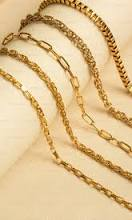
The Directorate General of Foreign Trade (DGFT), under the Ministry of Commerce and Industry, has issued Notification No. 63/2025-26 dated March 16, 2026, introducing a significant amendment to India’s import policy for certain categories of jewellery. Published in the Gazette of India, this notification reflects the government’s strategic approach to regulating imports in the gems and jewellery sector.
The amendment specifically targets ITC (HS) codes 71131144 and 71131145, which fall under Chapter 71 of the ITC (HS) 2022 Schedule-I (Import Policy). These codes cover jewellery made of precious metals—particularly silver—studded with diamonds, as well as jewellery embedded with other precious and semi-precious stones. Previously categorized under the “Free” import policy, these items could be imported without restrictions. However, with immediate effect, their classification has been revised to “Restricted” until June 30, 2026.
This shift from a free to restricted import regime marks an important regulatory intervention. Under the restricted category, imports of these jewellery items will now require specific authorization or licensing from DGFT. This ensures closer monitoring of inflows and allows the government to exercise greater control over the volume and value of such imports.
The rationale behind this move can be understood in the context of India’s broader economic and trade priorities. The gems and jewellery sector is a significant contributor to the country’s exports and employment. However, unregulated imports—especially of high-value finished jewellery—can adversely impact domestic manufacturers and artisans. By tightening import norms, the government aims to protect local industry players and promote value addition within the country.
Additionally, this policy change may also be linked to concerns around trade imbalances and foreign exchange outflows. Precious metals and stones constitute a substantial portion of India’s import bill. Regulating the import of finished jewellery products helps ensure that foreign exchange is utilized more efficiently, while encouraging domestic processing and manufacturing.
Another important aspect of this notification is its temporary nature. The revised policy will remain in effect only until June 30, 2026, indicating that the government intends to review the situation based on market conditions and policy outcomes. This flexible approach allows authorities to respond dynamically to economic trends and stakeholder feedback.
From an industry perspective, the notification is expected to have mixed implications. Domestic manufacturers and small-scale jewellers are likely to benefit from reduced competition from imported finished products. On the other hand, importers and traders dealing in such jewellery may face additional compliance requirements and potential delays due to licensing procedures.
It is also worth noting that this amendment has been issued under the powers conferred by the Foreign Trade (Development & Regulation) Act, 1992, and aligns with the provisions of the Foreign Trade Policy, 2023. This ensures that the policy change is legally robust and consistent with India’s overall trade framework.
In conclusion, Notification No. 63/2025-26 represents a targeted policy intervention aimed at balancing trade regulation with domestic industry support. By reclassifying certain jewellery imports as restricted, the government has taken a step toward strengthening the local gems and jewellery sector while maintaining flexibility for future adjustments. As global and domestic market dynamics evolve, such measures highlight the importance of adaptive trade policies in sustaining economic growth.