Friendly Diamonds expands online access to Lab-Grown Diamond Jewellery Worldwide
January 23, 2026
Ghana’s mining reforms risk choking investment
January 23, 2026US Trade Policy could deepen the Diamond industry slump, warns Botswana
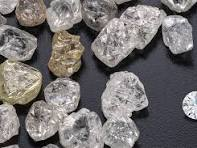
Botswana, the world’s second-largest diamond producer, faced rising economic risks as global demand and prices weakened and as US President Donald Trump imposed new trade barriers. Trump introduced tariffs of 50% on Indian exports, a critical link in the global diamond supply chain, where 90% of mined diamonds undergo cutting and polishing. Botswana also expressed concern over 15% tariffs that Trump imposed on the country’s exports to the United States. However, Botswana’s Ministry of Finance warned in a budget document published this week that tariffs on India posed a greater threat to the global diamond industry, which remains Botswana’s main export and economic engine.
Botswana’s government warned that higher US tariffs risked triggering a chain reaction in an industry already weakened by falling prices, slowing sales, and rising competition from synthetic diamonds. Botswana’s diamond production fell by 3.2% in the first nine months of 2025 to 13.3 million carats, after output dropped 28% year-on-year in 2024. During the first half of 2025, Botswana’s diamond sales also declined 13.2% year-on-year. On the market side, the government projected only moderate revenue growth even if diamond prices returned to historical levels of about $98.9 per carat between 2025 and 2028. Authorities attributed the limited upside to constrained production capacity.