Gold, Diamond, Jewellery market trends forecast consistent growth at 4.5% CAGR
November 28, 2025
ROOTZ 2025: The 3-Day Exhibition of diamond-studded gold, silver jewellery opens in Surat
December 1, 2025Are Lab-grown diamonds crushing the African economy that was built on natural diamonds?
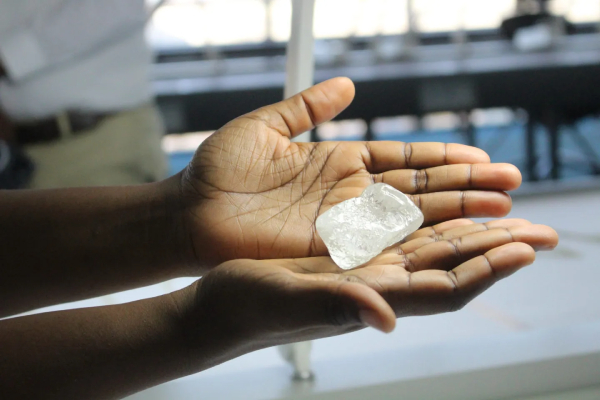
A raw diamond from Gaborone, Botswana
Botswana, which has unearthed some of the world’s largest stones, has prided itself on prudently managing its natural wealth, avoiding the corruption and conflicts that have plagued many of its African peers. Its marketing message has been simple. Its stones are conflict-free and help fund development. Botswana became the world’s top diamond producer by value, and second-largest by volume after Russia. Diamonds are woven into the national identity.
“Diamonds built our country,” said Joseph Tsimako, president of the Botswana Mine Workers Union, which represents about 10,000 workers in the nation of 2.5 million people. “Now, as the world changes, we must find a way to make sure they don’t destroy the lives of the people who helped build it. The global rise of synthetic diamonds has been swift. They have given stiff competition, especially in lower-quality stones. The gems emerged in the 1950s for industrial use and reached jewellery quality by 1970. Lab-grown stones now sell for up to 80% less than natural diamonds. Once making up just 1% of global sales in 2015, they have surged to nearly 20%, and are marketed as cheaper, conflict-free and eco-friendly alternatives to stones formed over billions of years.”
Lab-grown stones now account for most new U.S. engagement rings, he said. Natural diamond prices have fallen roughly 30% since 2022, leaving the industry at a critical juncture. With the new generation of youngsters getting engaged, having other things to spend on, they get attracted to buying lab-grown diamonds rather than a costly natural diamond ring. Apparently, for every 100 diamonds a company sells, around 95 are synthetic… when just five or six years ago, it was overwhelmingly natural diamonds.