Mia by Tanishq launches Big Bling Fest offering 100 % off on jewellery-making charges
July 21, 2026
Van Cleef & Arpels’ Egypt High Jewellery Collection ignites Egyptomania in a riot of colours
July 21, 2026Lab-grown diamonds face new labelling rules in Russia from September 1
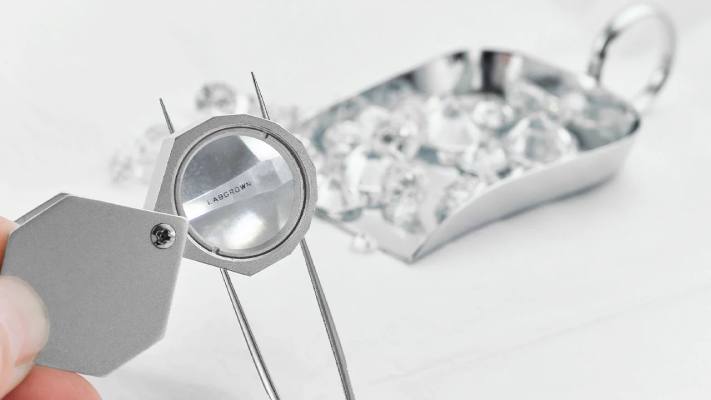
Russia is set to introduce new rules governing the sale of laboratory-grown diamonds from September 1, requiring sellers to clearly distinguish synthetic stones from natural diamonds to protect consumers. The regulations, approved by the Russian government back in late May, prohibit sellers from describing stones of “non-natural” origin as diamonds. Under the rules, sellers will also be banned from using terms that could mislead buyers about the origin of synthetic stones, including descriptions such as “natural,” “genuine,” “real,” “mineral” and similar words.
The new rules come as laboratory-grown gemstones continue to gain market share globally. Bloomberg previously reported that Chinese synthetic diamond manufacturers benefited from the artificial intelligence boom, as demand increased for lab-grown diamonds used in cooling technologies for advanced computer chips.
Synthetic rubies, sapphires and emeralds already account for 70% to 90% of mass-market jewellery products, while synthetic alexandrites represent 99.99% of the segment. In higher-priced jewellery categories, the share of synthetic colored stones is lower, estimated at around 20% to 40%.
According to the Russian government, these measures are introduced to strengthen consumer protection. The Ministry of Finance previously warned that unclear terminology allowed sellers to present jewellery containing synthetic stones as comparable to natural diamonds and sell them at similar prices despite significantly lower production costs.